The Price of Not Knowing
Today Quartermaster is announcing that we have raised $140 million to build the distributed data network for the ocean.
That includes a $100 million Series B led by Insight Partners with new participation from Overmatch Ventures, and a $40 million venture debt facility from Stifel.

First Round Capital and Quiet Capital, who co-led our Series A in May, both returned, as did Steel Atlas, TMV, and others.
We hadn't planned to raise again this year, but the shipping and maritime industry is changing fast in 2026. Every few weeks the gap kept widening between what fleets need and what any existing solution can give them.
Nick Sinai and his team saw it the same way. And when Insight offered to lead a preemptive Series B, we knew that saying yes meant we could fill that gap faster and more comprehensively.
Quartermaster will use the new financing to grow engineering headcount, and to recruit new vessels to the network to increase coverage across the world’s most active fishing grounds and commercial shipping lanes.
The ocean got harder to navigate.
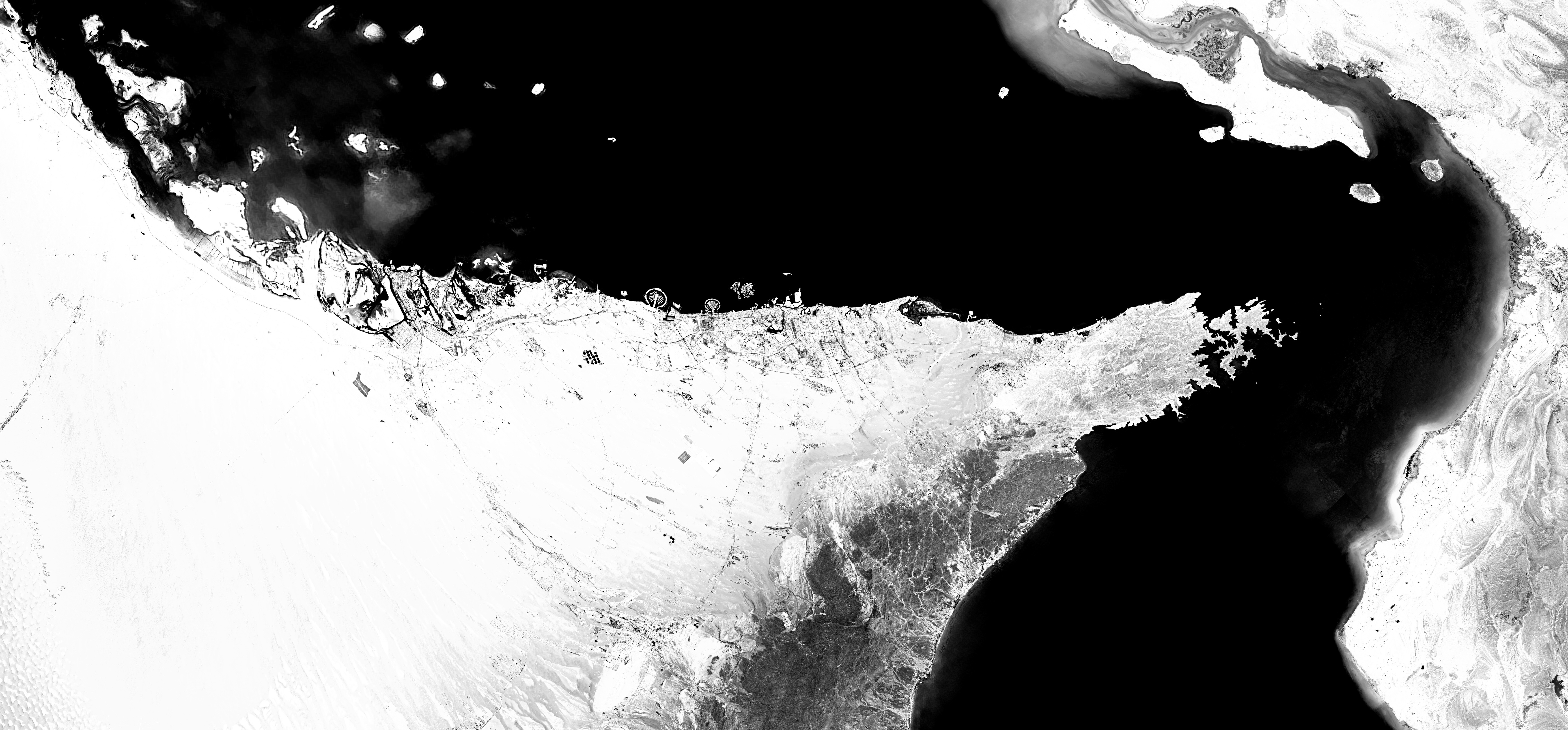
On a single day in late February, commercial ships across the Gulf stopped knowing where they were.
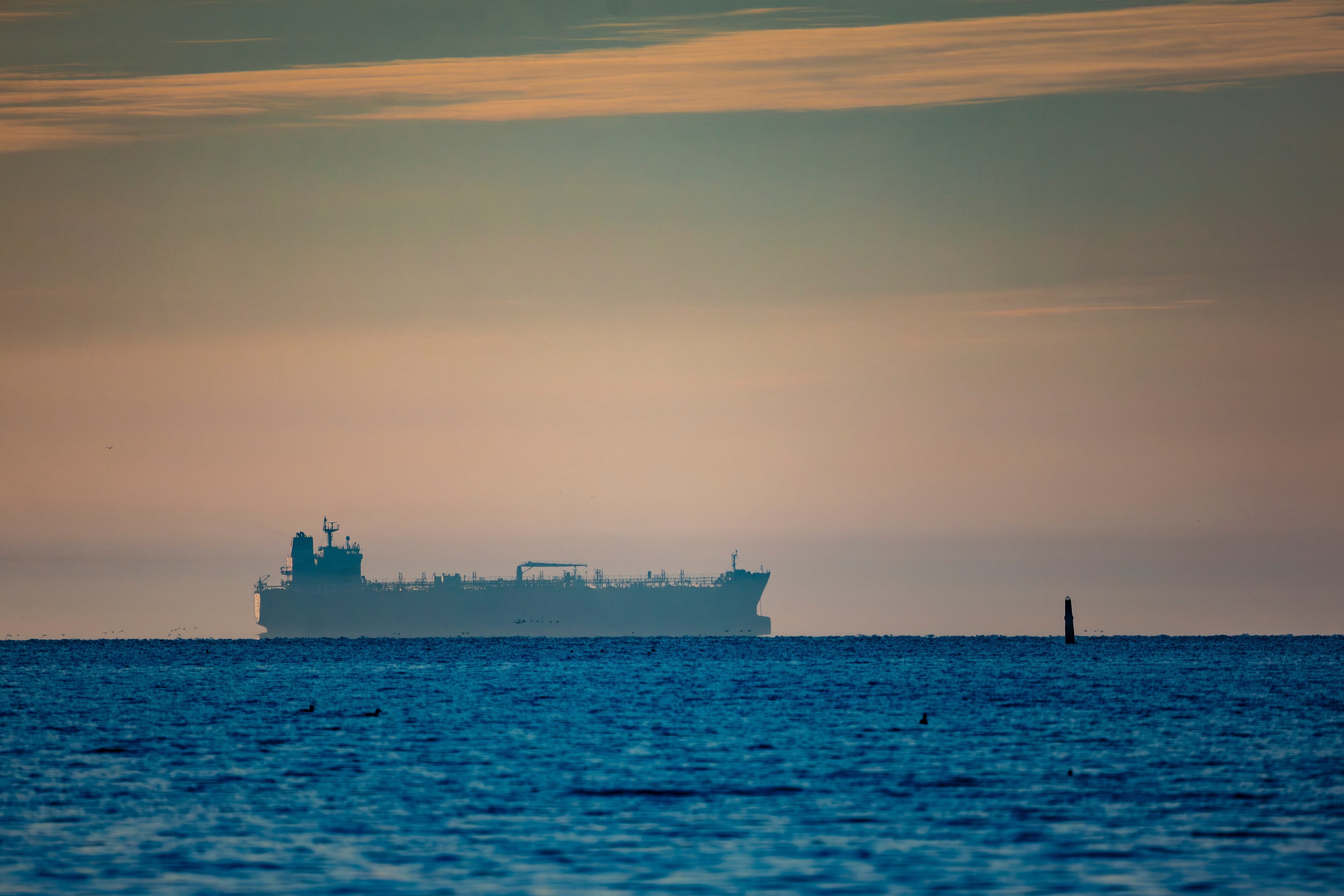
It wasn’t just one fleet that was targeted, or ships sailing under a certain country’s flag. Vessels in Emirati, Qatari, Omani and Iranian waters were all being told they were somewhere they weren't.
Military operations were jamming and spoofing navigation signals to defend against drones and missiles. None of those commercial ships were the target. But they still paid the price. And suddenly the whole world started to pay attention to the maritime industry.
While military threat has become the major factor in keeping the Strait of Hormuz closed for nearly seven months, economists at the Dallas Fed wrote that the closure was initially mainly driven by the need to adjust insurance contracts for oil tankers.
In March, several major underwriters stopped writing the region altogether. And traffic through the Strait plummeted.
War risk premiums for a Strait of Hormuz transit spiked in July at more than thirty times what they had been in February before the conflict started, reaching between seven percent and ten percent of a ship's insured value per voyage.
One of the world's most important maritime chokepoints effectively closed. Not because of drones or mines, but because of an actuarial table.
The cargo didn’t move because the ship wasn’t insured. It wasn’t insured because the risk couldn’t be priced. And the risk couldn’t be priced because nobody had a clear, objective picture of what was happening in and around the Strait.
That's an economic problem as much as a military one.
You can’t see the ocean from afar.
Almost everything that claims to provide visibility and awareness on the ocean today is either interpreting a secondhand signal or operating from a distance.
AIS is a ship announcing itself. Satellite navigation is a calculation derived from transmissions. RF geolocation is triangulation based on radio emissions. Orbital imaging is a snapshot from overhead, delivered after the fact.
Physical presence is different. A ship’s lookout physically on the water doesn't infer that something is nearby. They observe it.
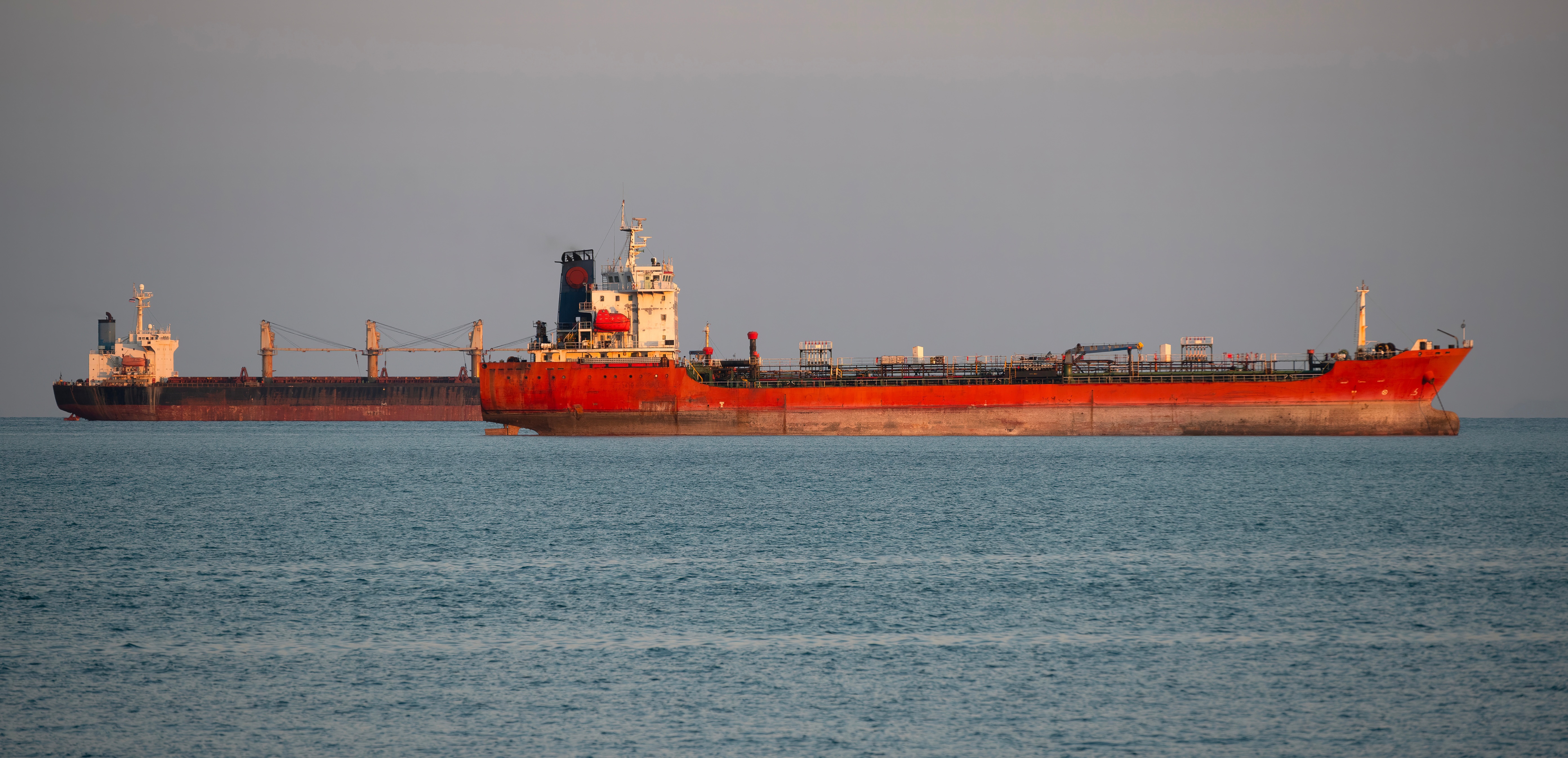
That is why we built the network in partnership with the people who work on the ocean every day. One vessel at a time. There are more than 650 of them now, in 25 countries, mostly small operators who would never have purchased instrumentation like this on their own.
SmartMast costs an operator nothing but space on the mast. They get the hardware, the installation and the support. They get direct access to their own feeds, hazard alerts on their route, and broadband internet at sea so they can call for help, or just call home.
In return, the SmartMast sensors feed the network. And what the network sees can help insurers, fleets and energy operators who need a view of the ocean that can’t be found anywhere else.
The missing data.
Every serious conversation about what AI could do for trade, energy, or logistics eventually arrives at the same conclusion. The models are ready, but the dataset is missing its most important piece — the ocean.
There is no way to get it from orbit and no way to model your way to it. Somebody has to go out there on the water and build it. It is painstaking work and it doesn't get easier at scale. But that’s our mission, and it's an historic undertaking.
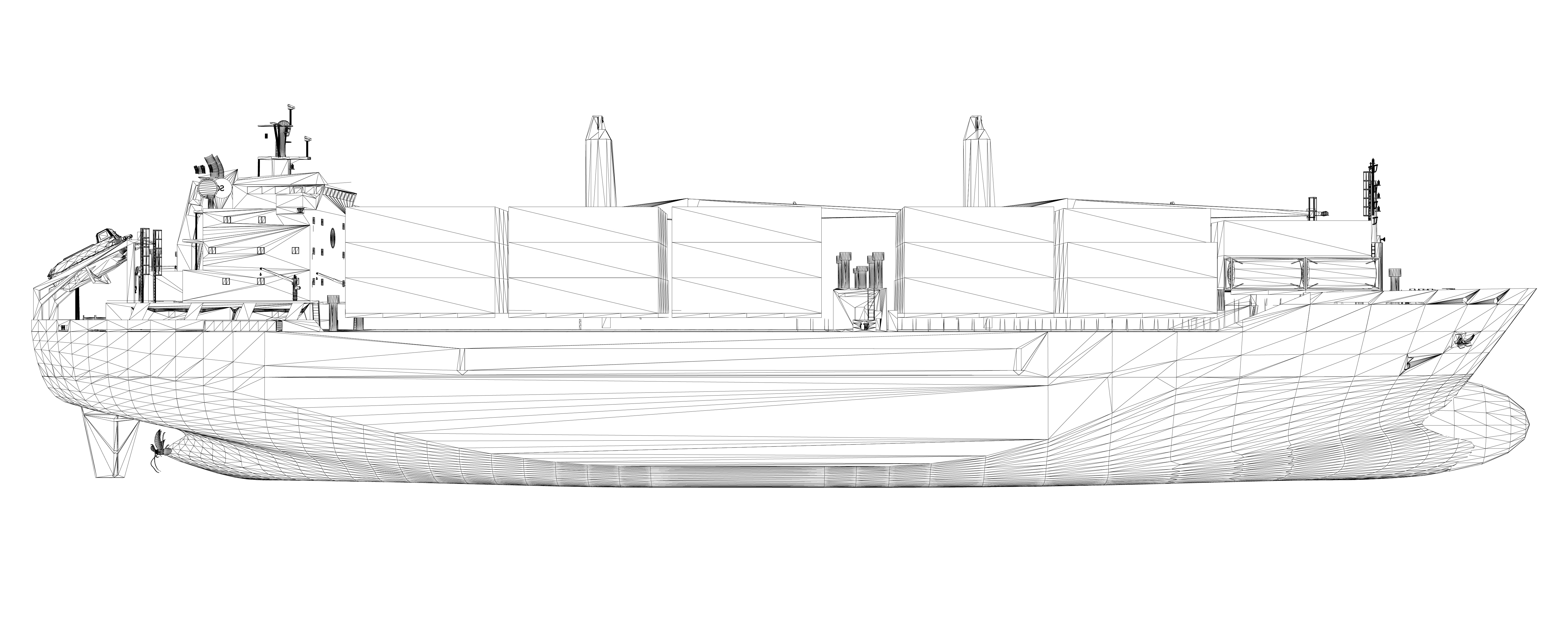
I'm grateful to Insight Partners for leading this round, to Overmatch Ventures for their vote of confidence, and to First Round Capital, Quiet Capital, Steel Atlas, TMV, Box Group, and Operator Partners for sticking with us.
But most of all, I'm grateful to the captains, crews and owners who believed in us before anyone else, and who've given us space on their mast. You are the community we rely on, and we are honored by your continued trust and support.
Other articles
The Largest Blind Spot on Earth
Today Quartermaster is announcing that they have raised $43M in Series A funding, co-led by First Round Capital and Quiet Capital, with participation from TMV Logistics, Steel Atlas, BoxGroup, Operator Partners, Shorewind Capital, and David Adelman. The funding will go toward closing what we believe is the largest data gap on the planet.
Maritime Autonomy and the Fragility of GPS
The Global Positioning System, or GPS, synchronizes the movements of the world so seamlessly that most of us never think about it.